


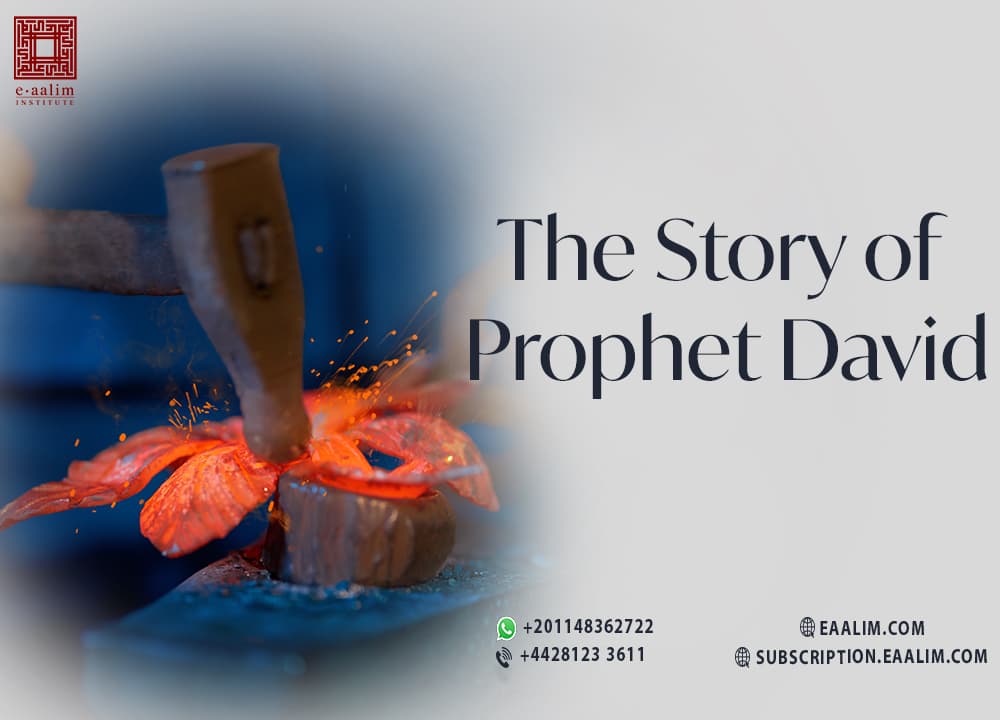
The story of Prophet David
By admin on 12/22/2025
Who was prophet David?
This blog is going to talk abot The Story Of Prophet David. Prophet David was one of the prophets of Israel, and he is the father of the Prophet Solomon, peace be upon them both. Allah informed us in His perfect book, Allah Almighty said:
(وَوَهَبۡنَالِدَاوُۥدَسُلَيۡمَٰنَۚنِعۡمَٱلۡعَبۡدُإِنَّهُۥٓأَوَّابٌ)
Allah gave hisThe Story Of prophet David the ability and power, as He, the Most High, said:
(ٱذۡكُرۡعَبۡدَنَادَاوُۥدَذَاٱلۡأَيۡدِۖإِنَّهُۥٓأَوَّابٌ)
The Story Of Prophet Daid is very interesting. Prophet David used to worship Allah a lot. He used to worship Allah standing up, fast, repent and return to Allah Almighty a lot. Allah Almighty made the birds and mountains glorify Him with David as mentioned in the Qur’an. David used to worship Allah a lot. He used to worship Allah, fast, repent and return to Allah Almighty a lot. Allah Almighty made the birds and mountains glorify Him with David as mentioned in the Qur’an. Amazingly, Prophet David had a beautiful voice in glorifying and chanting the praise of Allah, Therefore, Prophet Mohammad likened and brought the voice of the noble companion Abu Musa al-Ash’ari close to that of David, saying:
(لقد أوتيت مزمارا من مزامير آل داود)
In addition, Allah gave David great power. So iron would soften with David without heating it. Consequently, this made it easy to make it wrought iron and make whatever he wanted with it. Allah Almighty said:
(وَلَقَدۡءَاتَيۡنَادَاوُۥدَمِنَّافَضۡلٗاۖيَٰجِبَالُأَوِّبِيمَعَهُۥوَٱلطَّيۡرَۖوَأَلَنَّالَهُٱلۡحَدِيد)
The story of David and Goliath, King Saul:
The Story Of Prophet David and Goliath the king is in the Quran. Historically, at that time, the Children of Israel were debating to the prophet whom Allah sent after the Prophet Moses. Consequently, they asked their prophet to ask Allah to choose a king under whose command they would walk and fight in the way of Allah and repel injustice from themselves and their country. Therefore, their Prophet asked them, “What if death was for you? Will you really fight and fulfill your covenant with Allah, or will you flee and betray your covenant?” However, they insisted that they would fulfill their promise and fight in allah’s way, the Almighty, the Majestic. So Allah answered them, as stated in the Holy Quran, when Allah Almighty said: وَقَالَ لَهُمْ نَبِيُّهُمْ إِنَّ ٱللَّهَ قَدْ بَعَثَ لَكُمْ طَالُوتَ مَلِكًۭا ۚ قَالُوٓا۟ أَنَّىٰ يَكُونُ لَهُ ٱلْمُلْكُ) ( عَلَيْنَا وَنَحْنُ أَحَقُّ بِٱلْمُلْكِ مِنْهُ وَلَمْ يُؤْتَ سَعَةًۭ مِّنَ ٱلْمَالِ ۚ As a result, Allah chose Talut to be the king to whom they would surrender their wealth and lineage?! Therefore, their prophet answered firmly in allah’s Almighty saying: (قال إِنَّ اللَّهَ الْصْطَفَىٰهُ عَلَيْكُمْ وَزَادَهُۥ بَسْطَةًۭ فِى الْعِلْمِ وَالْجِسْمِ ۖ وَاللَّهُ يُؤْتِى مُلْكَهُۥ مَن يَشَآءُ ۚ وَاللَّهُ وَٰسِعٌ عَلِيمٌۭ) Knowing Afterwards, Allah gave Talut a distinctive sign, which was that Allah sent by his Lord, the Almighty. Allah Almighty said: وَقَالَ لَهُمْ نَبِيُّهُمْ إِنَّ ءَايَةَ مُلْكِهِۦٓ أَن يَأْتِيَكُمُ ٱلتَّابُوتُ فِيهِ سَكِينَةٌۭ مِّن رَّبِّكُمْ وَبَقِيَّةٌۭ) (مِّمَّا تَرَكَ ءَالُ مُوسَىٰ وَءَالُ هَـٰرُونَ تَحْمِلُهُ ٱلْمَلَـٰٓئِكَةُ ۚ إِنَّ فِى ذَٰلِكَ لَـَٔايَةًۭ لَّكُمْ إِن كُنتُم مُّؤْمِنِينَ Truly, it appears from the verse that they lost this ark and appears as a sign of Saul’s kingdom. Therefore, that tranquility and peace will come with it, and this ark that will come carried by angels out of appreciation and glorification. Every Muslim should learn the story of prophet David.
Defeat of Goliath:
After the kingdom established for Talut, he prepared and equipped an army and moved to fight the greatest tyrant of that era. Moreover, he was the most unjust and harmful of them. that man's name was Goliath. He was famous for his strength, authority and physical ability. Nevertheless, there was a test and examination for the fighters who went out to fight. Allah Almighty said on the tongue of Talut:
فَلَمَّا فَصَلَ طَالُوتُ بِٱلْجُنُودِ قَالَ إِنَّ ٱللَّهَ مُبْتَلِيكُم بِنَهَرٍۢ فَمَن شَرِبَ مِنْهُ فَلَيْسَ مِنِّى) (وَمَن لَّمْ يَطْعَمْهُ فَإِنَّهُۥ مِنِّىٓ إِلَّا مَنِ ٱغْتَرَفَ غُرْفَةًۢ بِيَدِهِۦ ۚ فَشَرِبُوا۟ مِنْهُ إِلَّا قَلِيلًۭا مِّنْهُمْ ۚ Whoever drinks will leave this army, and whoever does not drink from it will remain here. So most of them drank, except for a few. Muslims know about the story of prophet David. After Talut crossed the river with the few remaining with him, a number of them said, “We have the opportunity and the power to defeat Goliath, for their number is greater and their equipment is more abundant.” However, the steadfast, believing group among them responded to them with all steadfastness and certainty that victory is not in numbers. They urged them to be patient and to seek help from God. Theu were sure that Allah is the Victory and the Helper. They were the reason for their steadfastness, and God Almighty said: (وَلَمَّا بَرَزُوا۟ لِجَالُوتَ وَجُنُودِهِۦ قَالُوا۟ رَبَّنَآ أَفْرِغْ عَلَيْنَا صَبْرًۭا وَثَبِّتْ أَقْدَامَنَاوَٱنصُرْنَا عَلَى ٱلْقَوْمِ ٱلْكَـٰفِرِينَ Therefore, they all stood firm and called upon Allah to grant them victory and make them steadfast. Consequently, Allah's victory was granted to them. Finally, Goliath’s army was defeated, and Prophet David, peace be upon him, killed Goliath.
The rule of the Prophet David with the sheep owners:
Later on, one night, while Prophet David was in his prayer niche, he was worshiping Allah. Suddenly, two people climbed the wall and entered without his permission and without him noticing them. David was overcome with intense fear and panic that something bad would happen to them. They told him to be reassured because they had come to judge between them. David began to tell their story. The details of the story Truly, they were two brothers and partners. One of them owned ninety-nine ewes, and the other owned one ewe. However, the man who had one ewe told the Prophet David that his brother who owned ninety-nine ewes asked him to take his one ewe and add it to his ewes. This was because he was more efficient than him at giving evidence and addressing others. Consequently, the one who owned a large number of ewes acknowledged the truth of his brother’s statement. Since his brother did not deny it, Prophet David was given his judgment that he had wronged his brother with this request. Apparantly, he had no right to do so. Many partners wrong each other, and one of them covets the money of his partner, except for those who believe in Allah and do good deeds. These are few. So the Prophet David said: قَالَ لَقَدْ ظَلَمَكَ بِسُؤَالِ نَعْجَتِكَ إِلَىٰ نِعَاجِهِۦ ۖ وَإِنَّ كَثِيرًۭا مِّنَ ٱلْخُلَطَآءِ لَيَبْغِى بَعْضُهُمْ عَلَىٰ بَعْضٍ إِلَّا ٱلَّذِينَ (۩ ءَامَنُوا۟ وَعَمِلُوا۟ ٱلصَّـٰلِحَـٰتِ وَقَلِيلٌۭ مَّا هُمْ ۗ وَظَنَّ دَاوُۥدُ أَنَّمَا فَتَنَّـٰهُ فَٱسْتَغْفَرَ رَبَّهُۥ وَخَرَّ رَاكِعًۭا وَأَنَابَ He said, “He has wronged you by asking your ewe to his ewe.” And indeed, many of the sinners oppress one another, except those who
ابدأ رحلتك مع إي عاليم اليوم!
ابدأ تجربتك المجانية


 Share
Share