

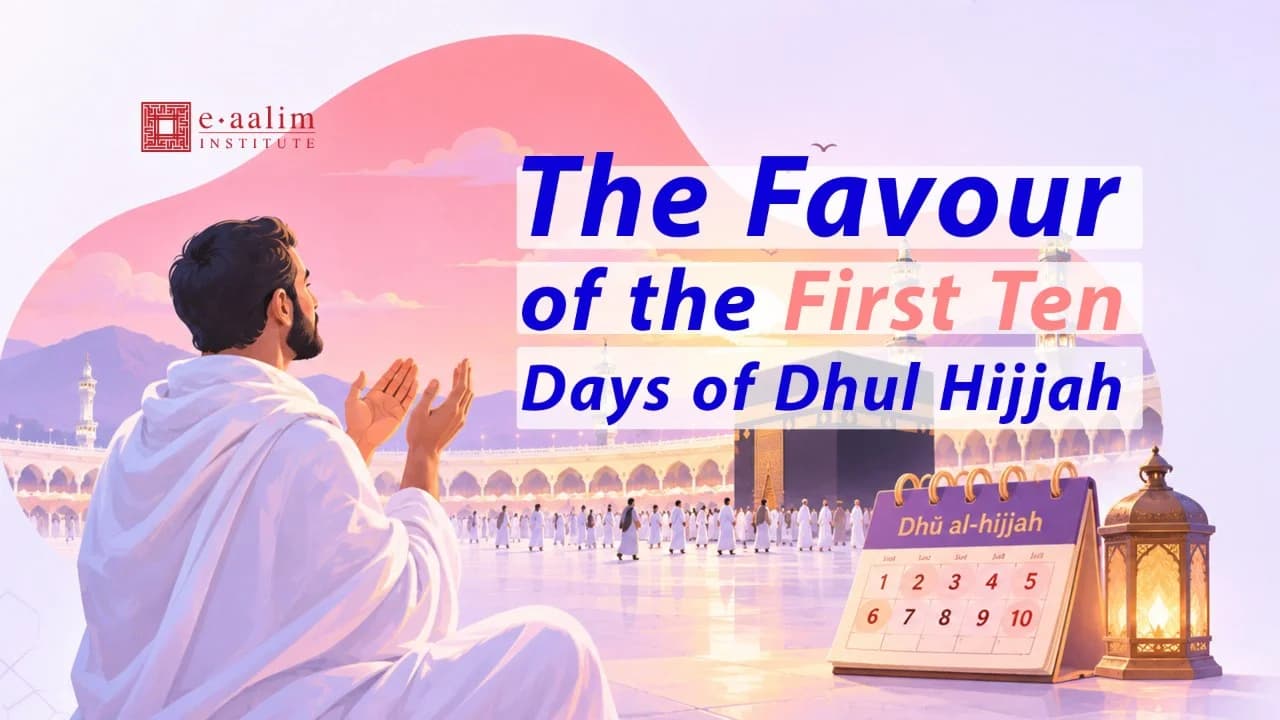
The Favour of the First Ten Days of Dhul Hijjah
By Mr. Ali Salama
Every year, Muslims welcome a special season of worship, reflection, and generosity. The first ten days of Dhul Hijjah offer an opportunity to strengthen faith through fasting, prayer, Quran recitation, and charity. This period brings families closer to their faith through simple acts of worship. For British Muslim families, these activities can fit around work and school. Whether you plan to fast on the Day of Arafah or arrange your qurbani, this guide explains the importance of these blessed days and how to prepare for Eid al-Adha.
What Are the First Ten Days of Dhul Hijjah?
Dhul Hijjah is the final month of the Islamic calendar. It is also the month when Muslims perform Hajj.
The first ten days begin with the start of the month. They end with Eid al-Adha on the tenth day.
The ninth day is known as the Day of Arafah. Meanwhile, the tenth day marks the beginning of Eid al-Adha, the Festival of Sacrifice.
During this period, Muslims increase prayer, charity, Quran recitation, and remembrance of Allah. You may also encounter different spellings, such as Dhu al-Hijjah and Zil Hajj. All these names refer to the same Islamic month. E-Aalim is an online educational platform and institute. The E-Aalim online institute teaches the Holy Quran, Arabic language and Islamic studies online.
Why Are the First Ten Days So Important?
These days bring together several important acts of worship. They include prayer, fasting, charity, and Hajj.
Furthermore, the Prophet Muhammad ﷺ highlighted the exceptional value of righteous deeds during this period.
Surah Al-Fajr opens with an oath by the ten nights (89:2). Many classical commentators, including Ibn Katheer, understood these nights as referring to the first ten days of this month.
Therefore, Muslims can use this opportunity to give worship greater attention. However, the relevant hadith does not establish a specific numerical multiplier for every good deed.
Hadith About the Virtues of Dhul Hijjah
The Prophet Muhammad ﷺ said:
«مَا مِنْ أَيَّامٍ الْعَمَلُ الصَّالِحُ فِيهِنَّ أَحَبُّ إِلَى اللَّهِ مِنْ هَذِهِ الأَيَّامِ الْعَشْرِ»
Meaning: No days have righteous deeds more beloved to Allah than these ten days.
This narration appears in Jamiʿ at-Tirmidhi 757. A related narration also appears in Saheeh al-Bukhari 969.
The narration describes an exception involving someone who goes out for jihad with their life and wealth. That person returns with neither.
Consequently, the hadith highlights the exceptional opportunity to perform righteous deeds during these blessed days.
What Were the Dates in 2026?
According to Saudi Arabia's official announcement, the first ten days in 2026 ran from 18 to 27 May.
The Day of Arafah fell on Tuesday, 26 May. Eid al-Adha followed on Wednesday, 27 May.
However, these dates applied to the Saudi announcement and Hajj calendar. British Muslim communities may follow different recognised authorities for local observance.
Therefore, families in the UK should check their local mosque's announcement. This helps them plan fasting, Eid prayers, and qurbani arrangements according to their community's calendar.
Recommended Acts of Worship During Dhul Hijjah
1. Observe Voluntary Fasting
Voluntary fasting during the first nine days is a recommended act of worship. The Day of Arafah has particular merit for Muslims who are not performing Hajj.
In Sahih Muslim 1162, the Prophet ﷺ described fasting on Arafah as an expiation for the sins of the preceding and following years.
Scholars generally explain this reward as relating to minor sins. Major sins require sincere repentance.
However, fasting all nine days is not compulsory. If you cannot fast every day, consider fasting on selected days. You can also increase other acts of worship.
For British Muslim families, planning fasting days in advance makes it easier to balance worship with work and school responsibilities.
2. Increase Takbeer and Remembrance of Allah
Make time for takbeer, tahmeed, and other forms of remembrance. Reports describe Ibn Umar and Abu Hurayrah reciting takbeer in the marketplace. Others would join them.
One commonly recited formula is:
"Allahu akbar, Allahu akbar, la ilaha illa Allah, Allahu akbar, Allahu akbar, wa lillahil-hamd."
There are recognised variations. Therefore, this is not the only acceptable wording.
For example, families can remember Allah after obligatory prayers or during quiet moments at home. In addition, parents can help children learn these words and understand their meaning.
3. Set a Realistic Quran Reading Goal
Choose a daily Quran target that suits your ability and responsibilities. For example, read a few pages after Fajr or reflect on a short passage with your family.
If you are comfortable with longer recitation, you might aim for one juz each day. However, Islamic teachings do not prescribe a specific Quran reading amount for this period.
In addition, make time to understand the verses rather than focusing only on completing pages.
Children and beginners can participate through listening and supported reading. As a result, the family can develop a regular learning routine that continues beyond this special season.
4. Give Sadaqah and Help Others
Set aside an affordable amount for charity. You could make a daily donation or support a trusted charitable project.
Furthermore, involve your children in choosing a cause. This teaches them generosity and responsibility towards others.
Giving also includes more than money. You can help relatives, support neighbours, visit someone in need, or volunteer your time.
Before donating, check a charity's purpose and arrangements. General sadaqah and qurbani serve different purposes. Therefore, one should not automatically replace the other. E-Aalim tutors and teachers are dedicated, efficient, experienced and highly qualified Arabic native speaker Al-Azhar graduates.
Hajj and Umrah During This Islamic Month
Hajj is the pilgrimage associated with this month. It is obligatory once in a lifetime for Muslims who meet the conditions of ability.
However, performing Hajj requires careful preparation. Pilgrims must also complete official arrangements and obtain the necessary permission.
Umrah is a separate pilgrimage and does not replace Hajj. Moreover, travel during the Hajj season may involve additional restrictions.
Meanwhile, Muslims who remain at home can still benefit through prayer, charity, fasting, and remembrance of Allah. Physical attendance at Hajj is not required to perform these good deeds.
Eid al-Adha: The Tenth Day
Eid al-Adha is a time for worship, gratitude, and generosity. Muslims celebrate the occasion with Eid prayer and qurbani where applicable.
Qurbani is separate from zakat al-fitr, which belongs to Eid al-Fitr.
If a charity performs your sacrifice, check its slaughter timing and meat distribution arrangements. Sharing meat with people in need, relatives, and friends expresses the generosity of this occasion.
A division of meat into thirds is commonly recommended. However, scholars do not consider this division universally compulsory.
Finally, remember that fasting on Eid al-Adha is forbidden. Saheeh al-Bukhari 1990 records this prohibition.
Qurbani for British Muslim Families
Scholars differ on the legal status of qurbani. The Hanafi school considers it wajib for Muslims who meet its conditions. The majority of other scholars regard it as a strongly recommended Sunnah.
British Muslim families can arrange a sacrifice locally. Alternatively, they can appoint a suitable charity to perform it on their behalf.
Before making a payment, compare eligibility requirements, slaughter timing, and meat distribution arrangements. Also, check current prices directly with the provider.
Costs vary according to the animal, location, and programme. Therefore, planning ahead helps families make informed decisions and avoid last-minute difficulties.
A Practical Plan for Families
A simple routine helps families make the most of these blessed days. It also prevents unnecessary pressure on daily schedules.
Consider following this practical plan:
Mark the dates announced by your local religious authority.
Choose a manageable daily Quran reading target.
Plan voluntary fasting according to your ability.
Make time for takbeer and remembrance.
Set an affordable charity budget.
Prepare for the Day of Arafah.
Arrange qurbani in advance if applicable.
Plan attendance at Eid prayer.
In addition, adapt these activities for children, older relatives, and anyone with health limitations.
For detailed timings of takbeer after obligatory prayers, follow your mosque or school of jurisprudence.
Consistency and sincerity matter more than unrealistic targets. Even small acts of worship can become meaningful habits when performed regularly.
Final Thoughts
The first ten days of Dhul Hijjah provide an opportunity to strengthen faith and develop better worship habits.
Muslims can use this special period to organise their daily activities and prepare for Arafah and Eid al-Adha.
Start with realistic goals. Make time for prayer, Quran recitation, remembrance, fasting, and charity. Also, prepare qurbani arrangements in advance if they apply to you.
Most importantly, focus on sincerity and consistency. The value of these days lies in drawing closer to Allah through righteous deeds and good conduct.
May Allah accept our worship, forgive our shortcomings, and allow us to benefit from these blessed days. Ameen. The E-Aalim learners and students at E-Aalim are kid, adult, male and female Muslims living mainly in Europe and the U.S.A.
Start Your Quran Learning Journey Today
Make the most of these blessed days by strengthening your connection with the Quran and building lasting habits of worship. Whether you are a beginner or want to improve your recitation, E-Aalim can help you take the next step. Book your free trial lesson today and start your journey towards better Quran reading and understanding.
Start your journey with Eaalim today!
Start 2 Free Trials


 Share
Frequently Asked Questions
The Prophet ﷺ said: "There are no days in which good deeds are more beloved to Allah than these ten days" (Bukhari 969). When asked "Not even jihad in the way of Allah?" he replied: "Not even jihad in the way of Allah, except for a man who goes out with his life and wealth and returns with neither."
The Prophet ﷺ fasted the first nine days. The 10th (Eid al-Aḍḥā) is forbidden to fast. Fasting one or more of the first nine — particularly the 9th (Day of ʿArafah) — is strongly recommended.
"Allāhu akbar, Allāhu akbar, lā ilāha illā Allāh, Allāhu akbar wa li-llāhi al-ḥamd" — recited from Fajr of the Day of ʿArafah through to ʿAṣr of the 13th of Dhū al-Ḥijjah.
The ʿEid al-Aḍḥā sacrifice — a Sunnah for every Muslim adult with the means. Most British Muslim families pay UK Muslim charities to perform the sacrifice on their behalf in countries where the meat will reach families in need. Current rates typically £40-100 per share.
One-third to family, one-third to friends, one-third to the poor — the classical Sunnah distribution.
The 9th of Dhū al-Ḥijjah — the central day of Hajj. For non-pilgrims, fasting this day expiates two years of sin (Muslim 1162). See our dedicated Day of ʿArafah guide.
10 Dhū al-Ḥijjah — immediately after the Day of ʿArafah. The festival of sacrifice. Eid prayer is held in the morning at most British masājid and outdoor venues.
Eaalim teachers can structure intensive Quran sessions during the ten days. Book a free trial at eaalim.com/free-trial.
